
Artists can influence public opinion, challenge injustice, build empathy, and bring attention to social issues. However, there are major structural barriers that can prevent artists from having that impact. A key insight is that many artists want to use their creativity to solve social problems, but they may not have the resources, opportunities, or confidence to turn their ideas into action. Art is often viewed primarily as entertainment or self-expression rather than as a tool for solving real-world problems. Artists can also face financial pressure, censorship, lack of public support, and limited access to the communities they want to help.
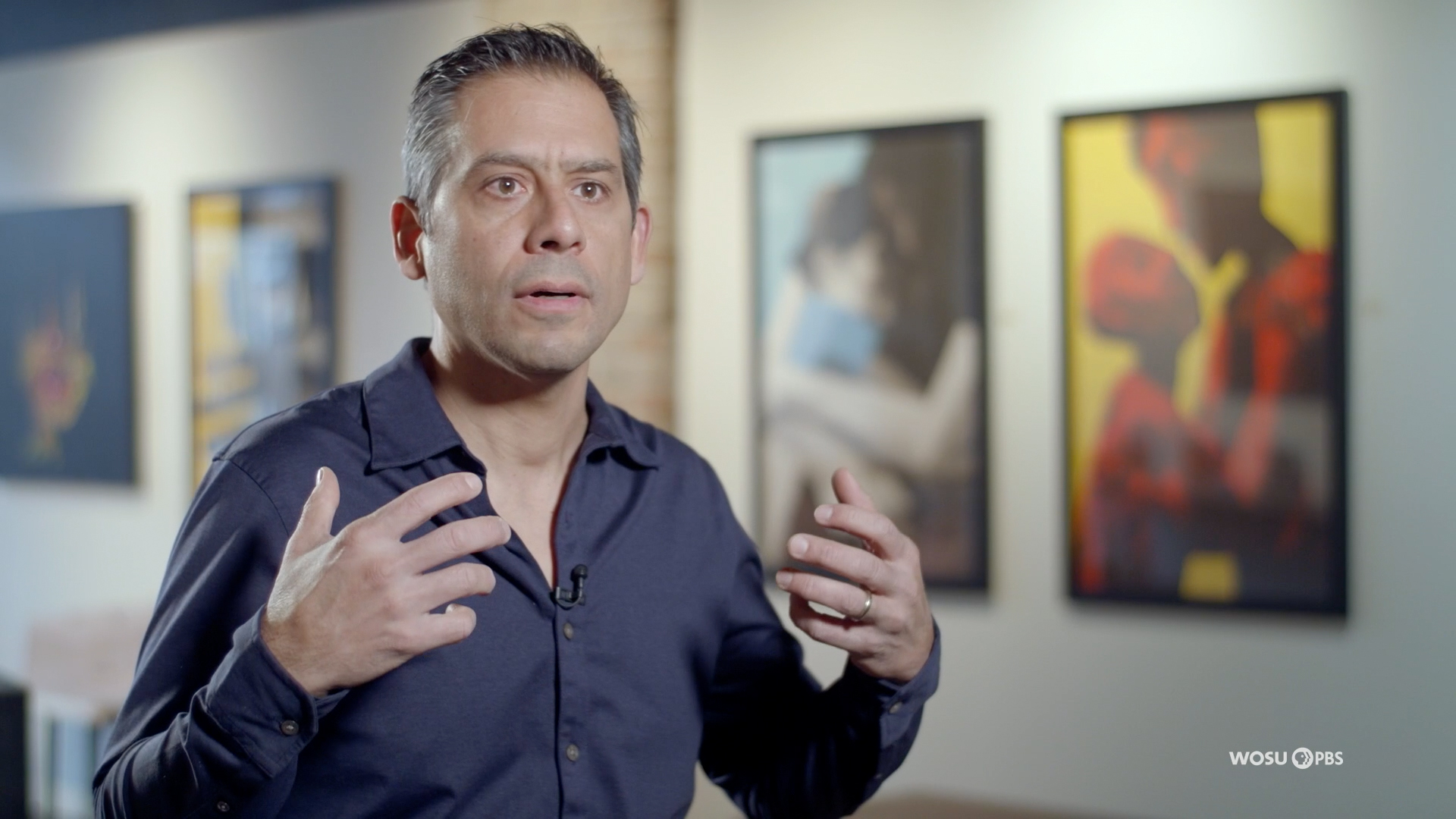
This creates a gap between having a creative idea and being able to make a real difference. Jeremy Rosario is an example of someone who crosses that gap: instead of only creating art about problems, he uses his art to raise awareness, connect people, and encourage action.
Jeremy Rosario demonstrates that artists can create positive change by turning social problems into experiences that people can see, feel, and understand. His response to Hurricane Maria used art to raise resources, while The Disposables used discarded medical materials to draw attention to physician suicide and mental-health struggles. His work shows that creativity can be more than entertainment—it can create empathy, start conversations, mobilize communities, and contribute to real-world change.
.svg)